蘑菇视频 Hosts AALAU Presidents' Forum on the Purpose of the University in the Age of AI
October 21, 2026

Bishkek, 9-10 October 2026
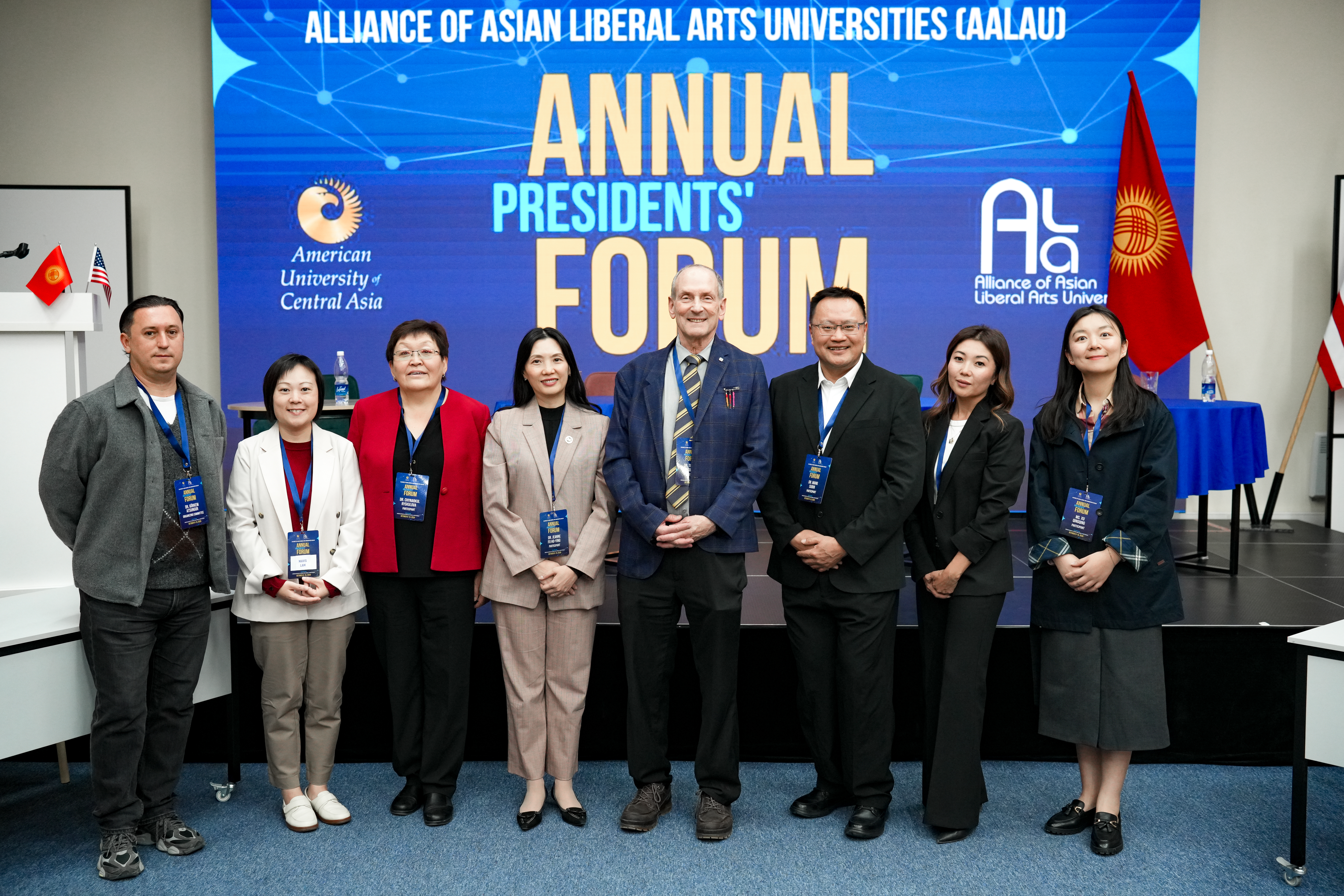
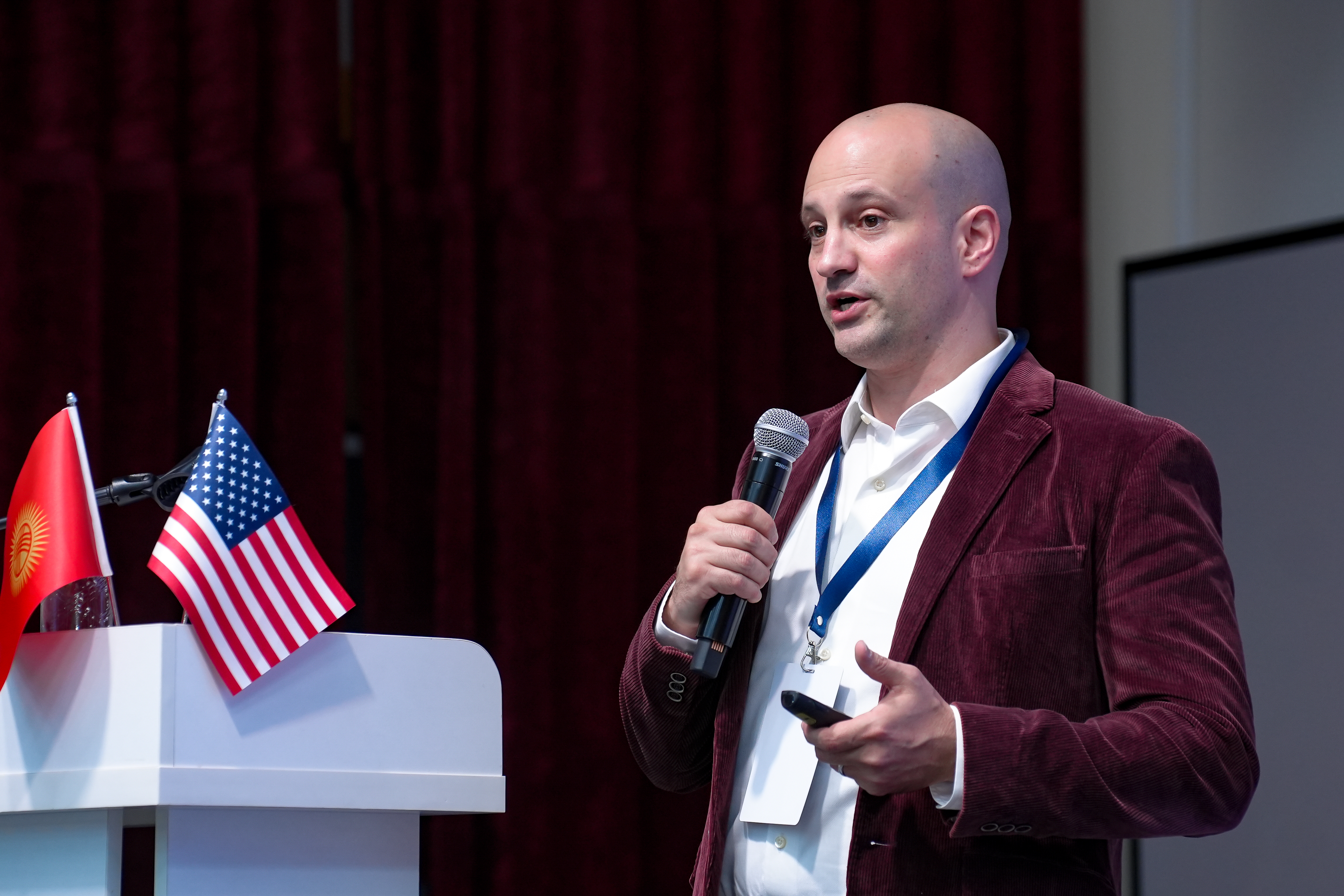
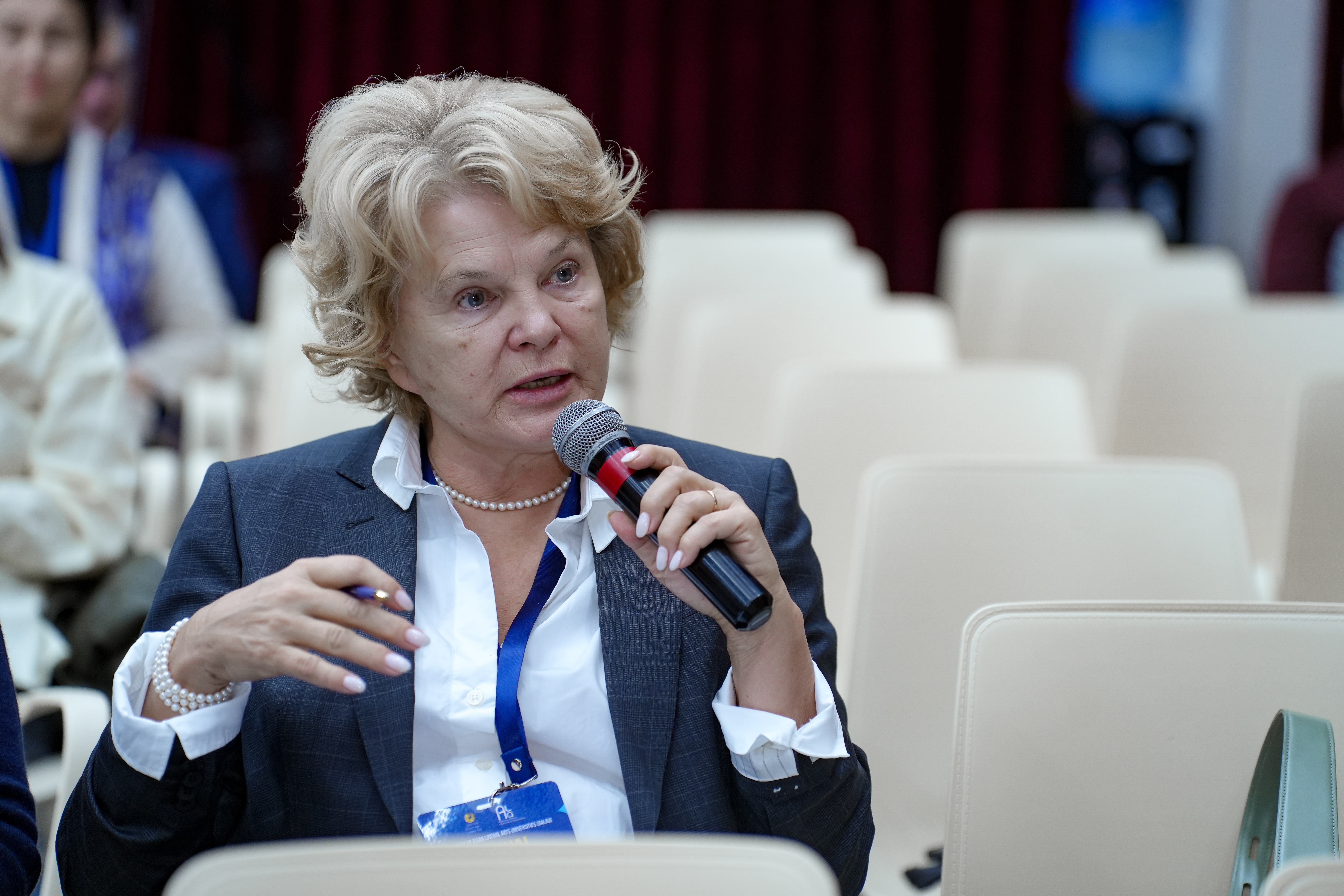
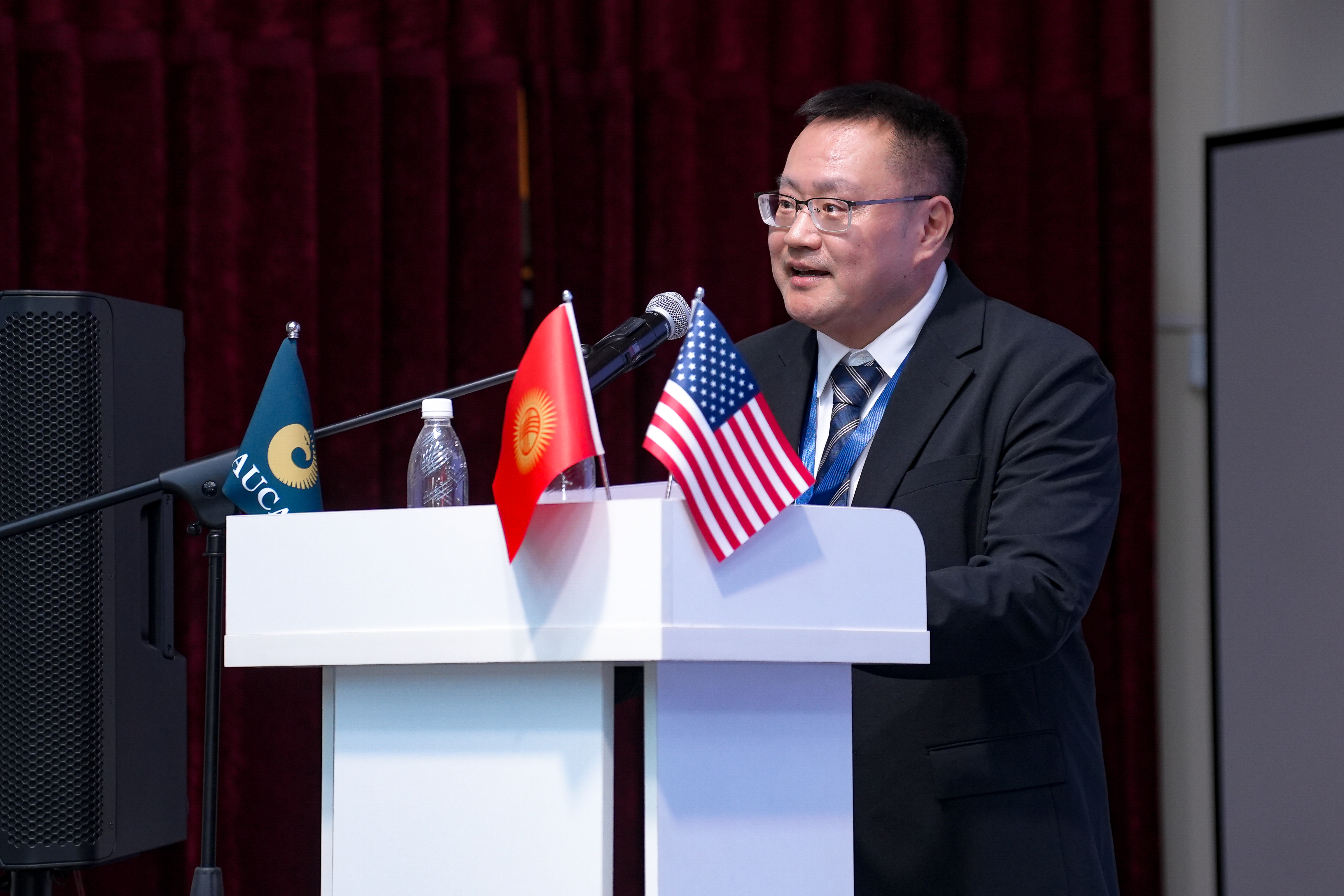
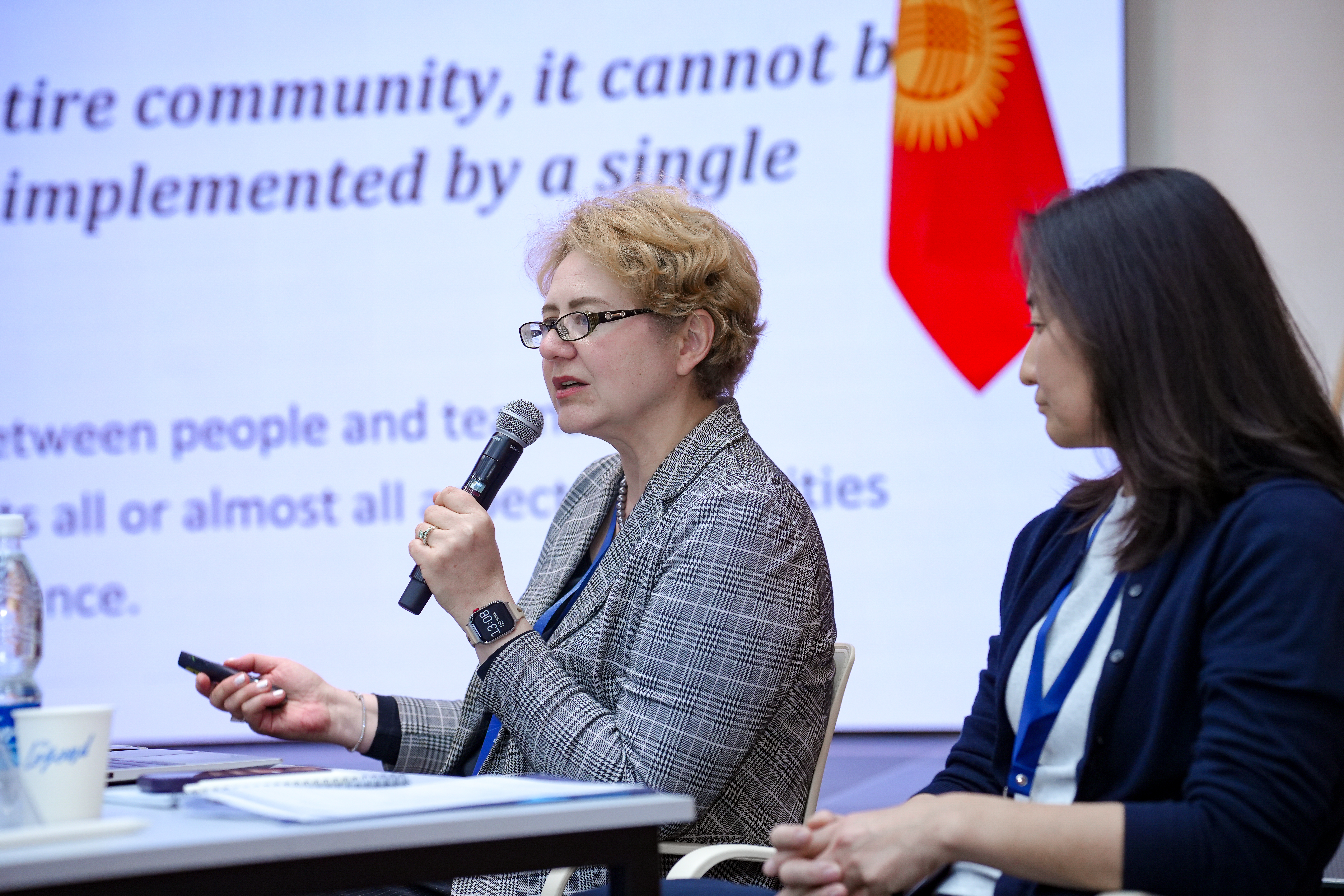
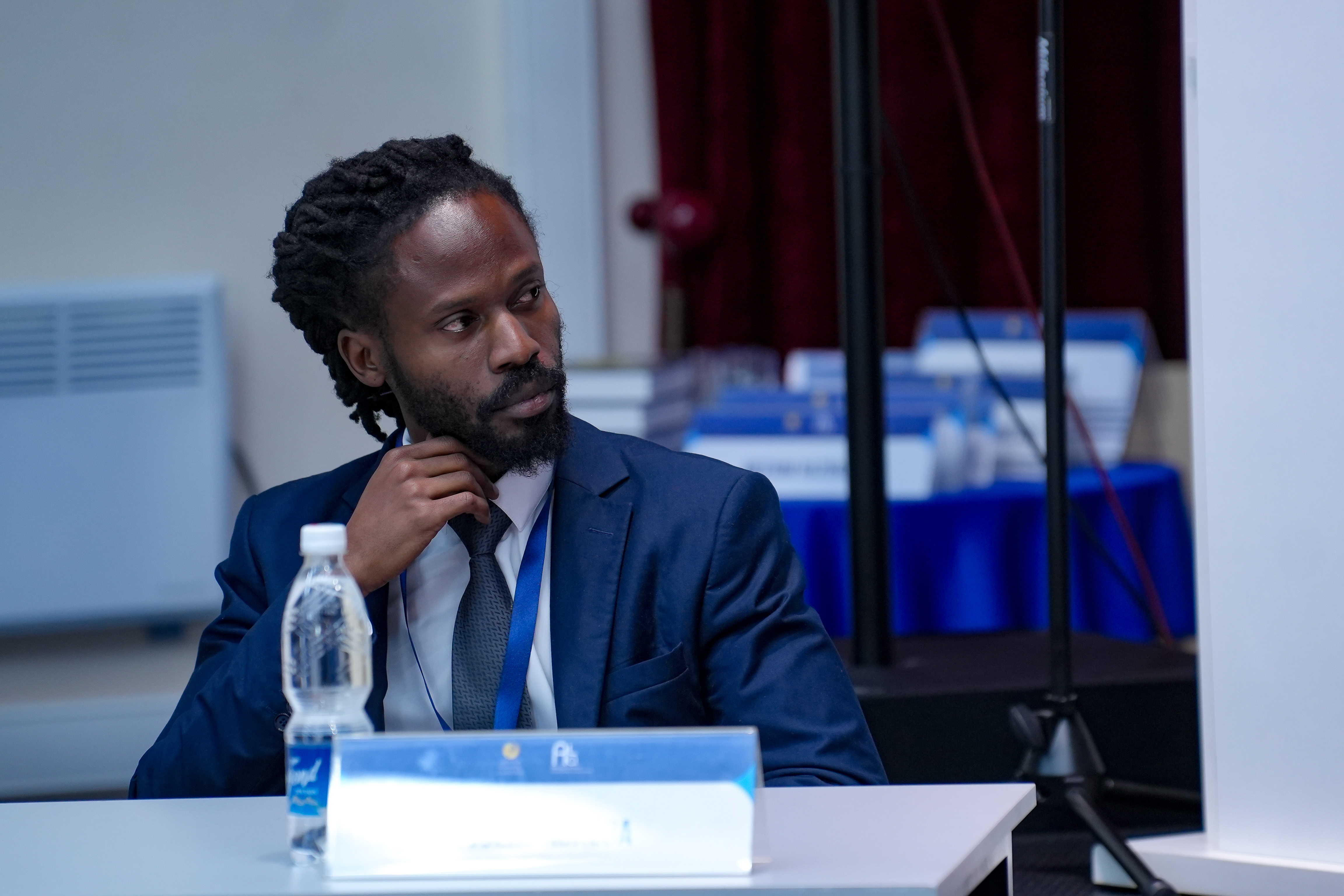
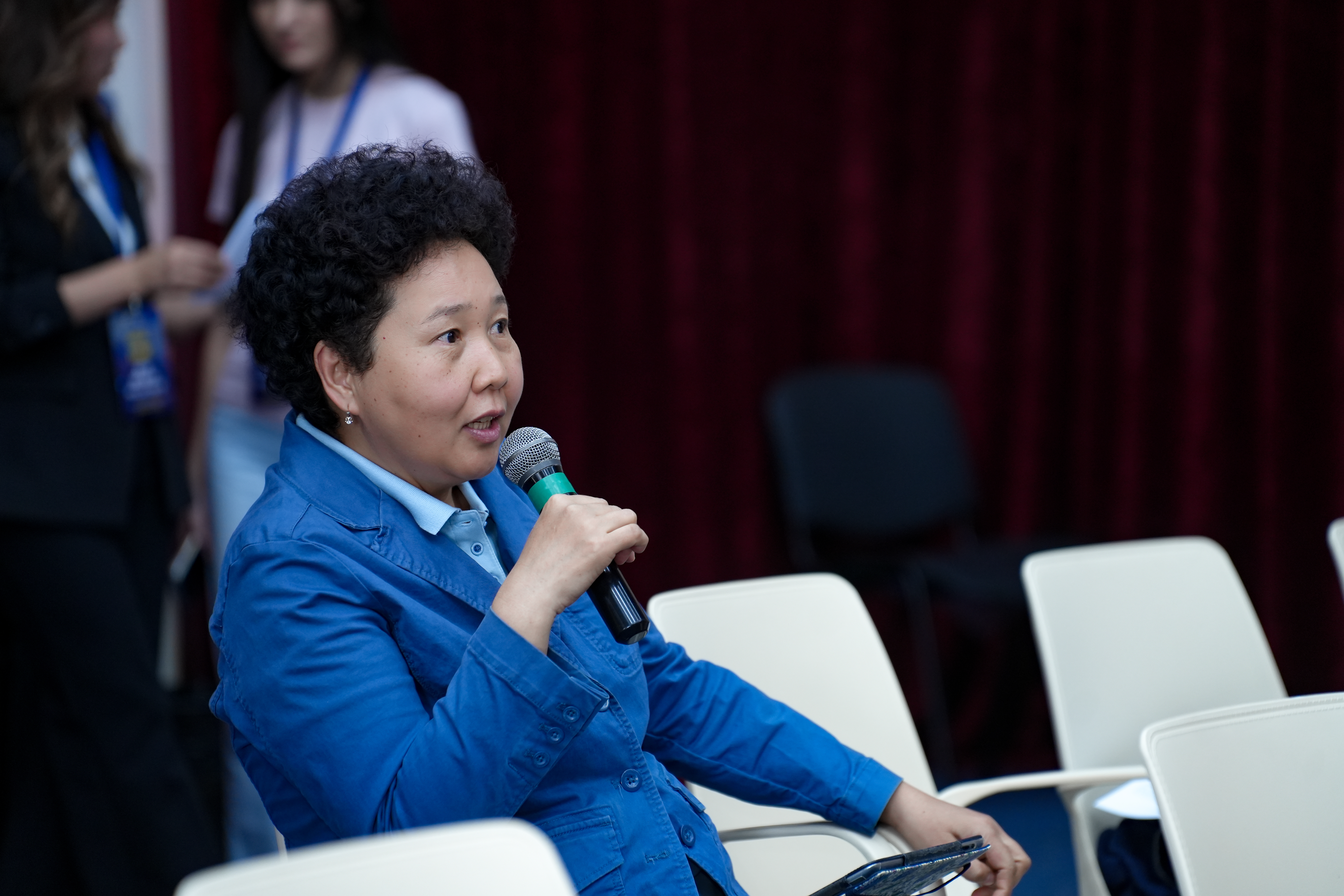
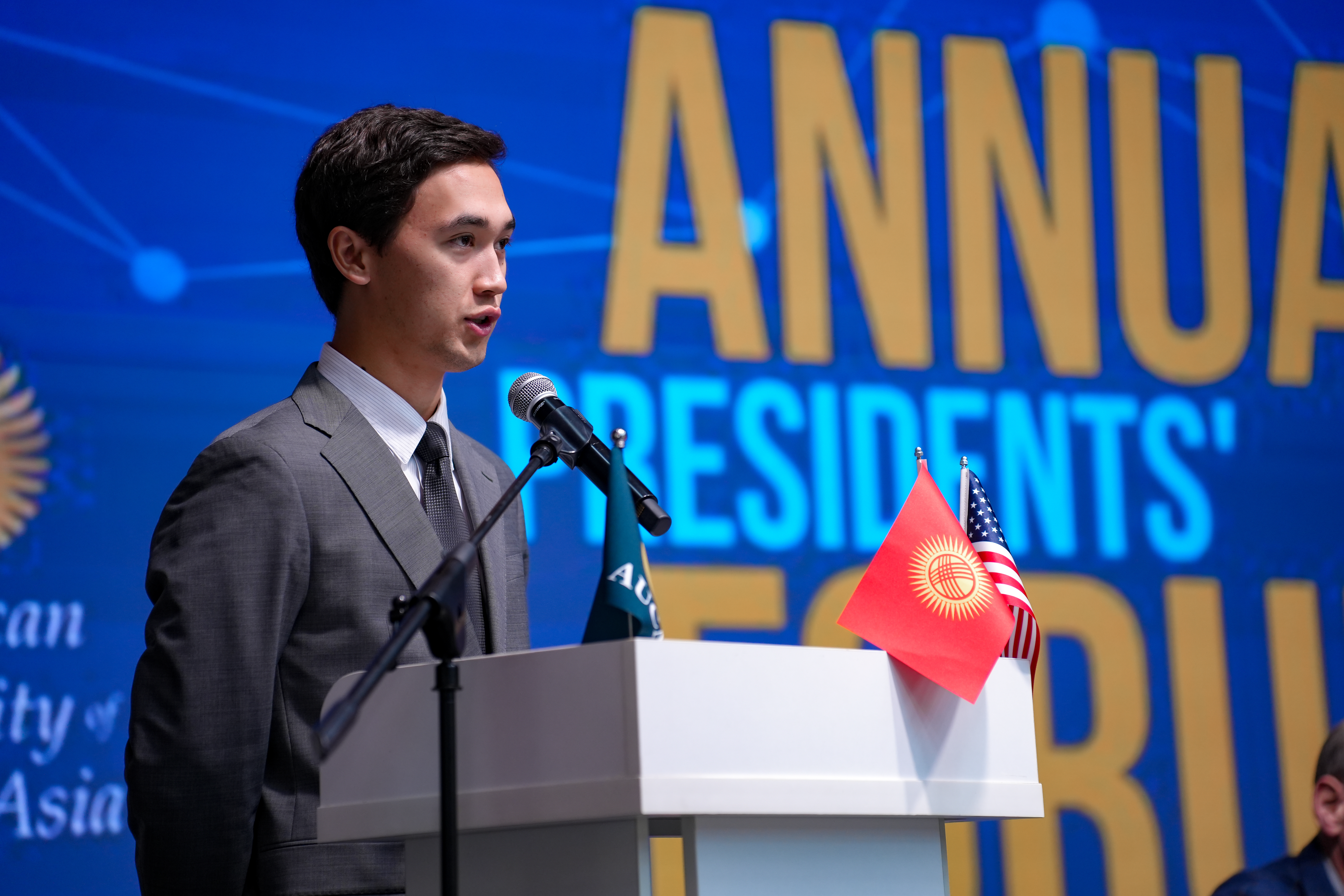
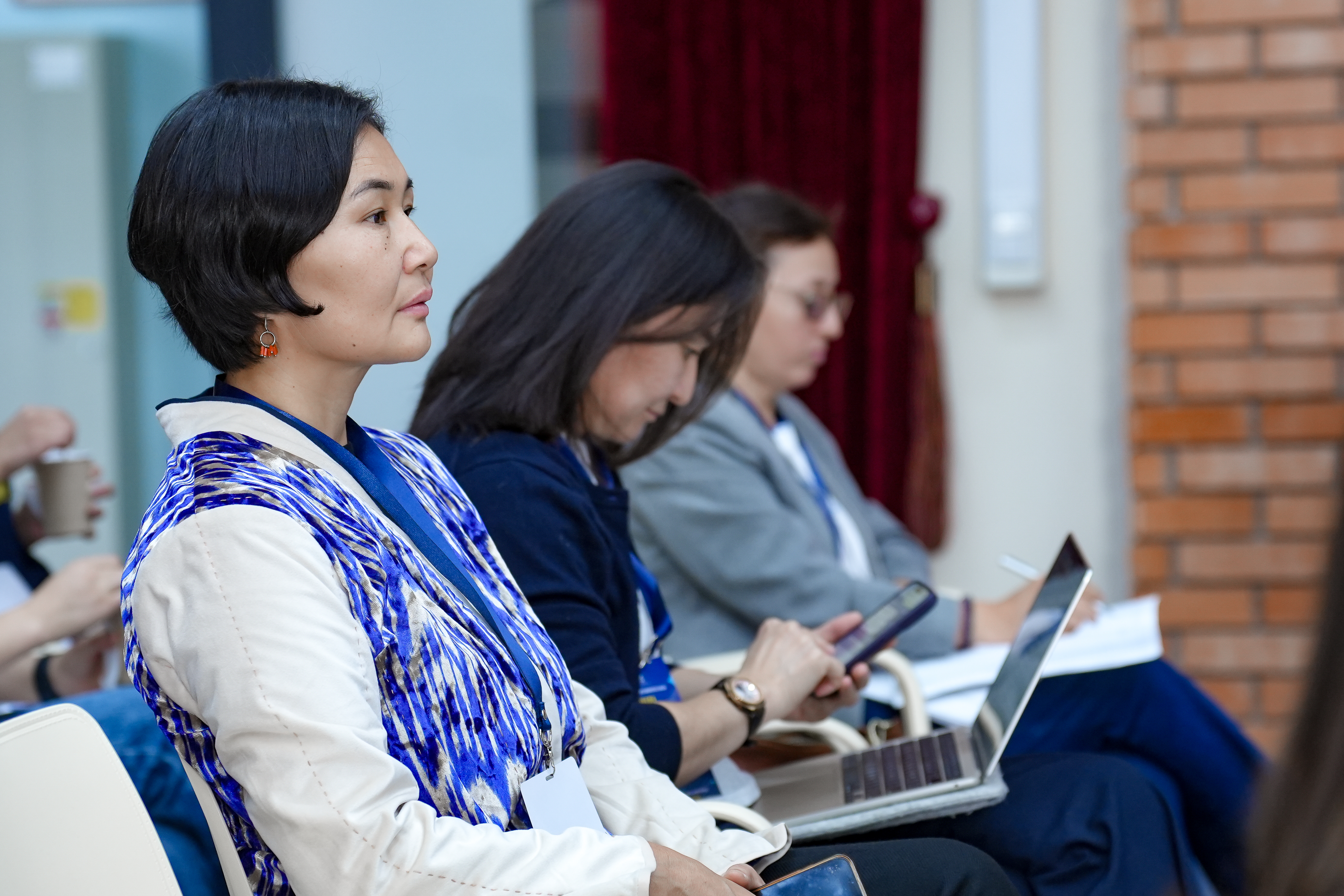
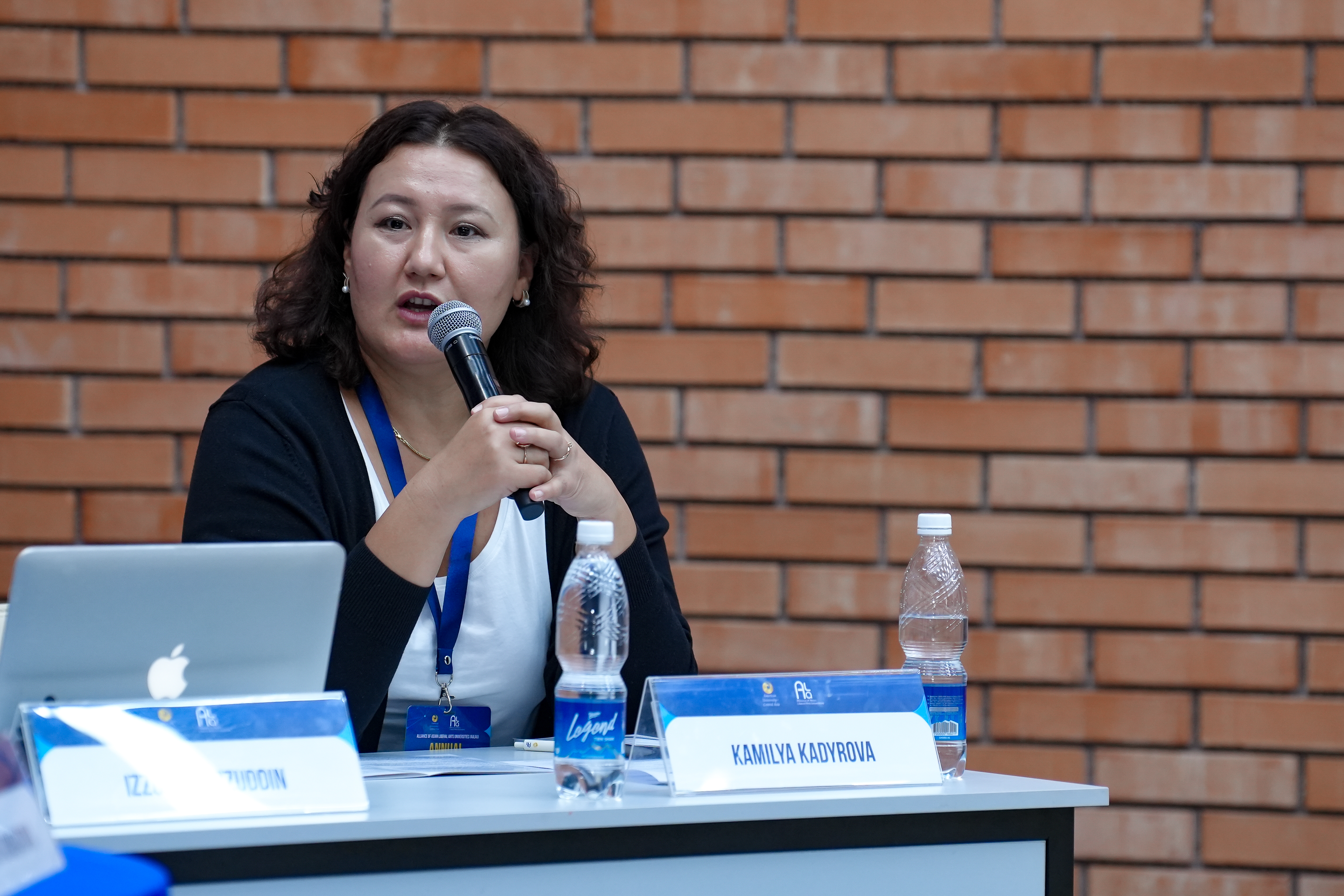
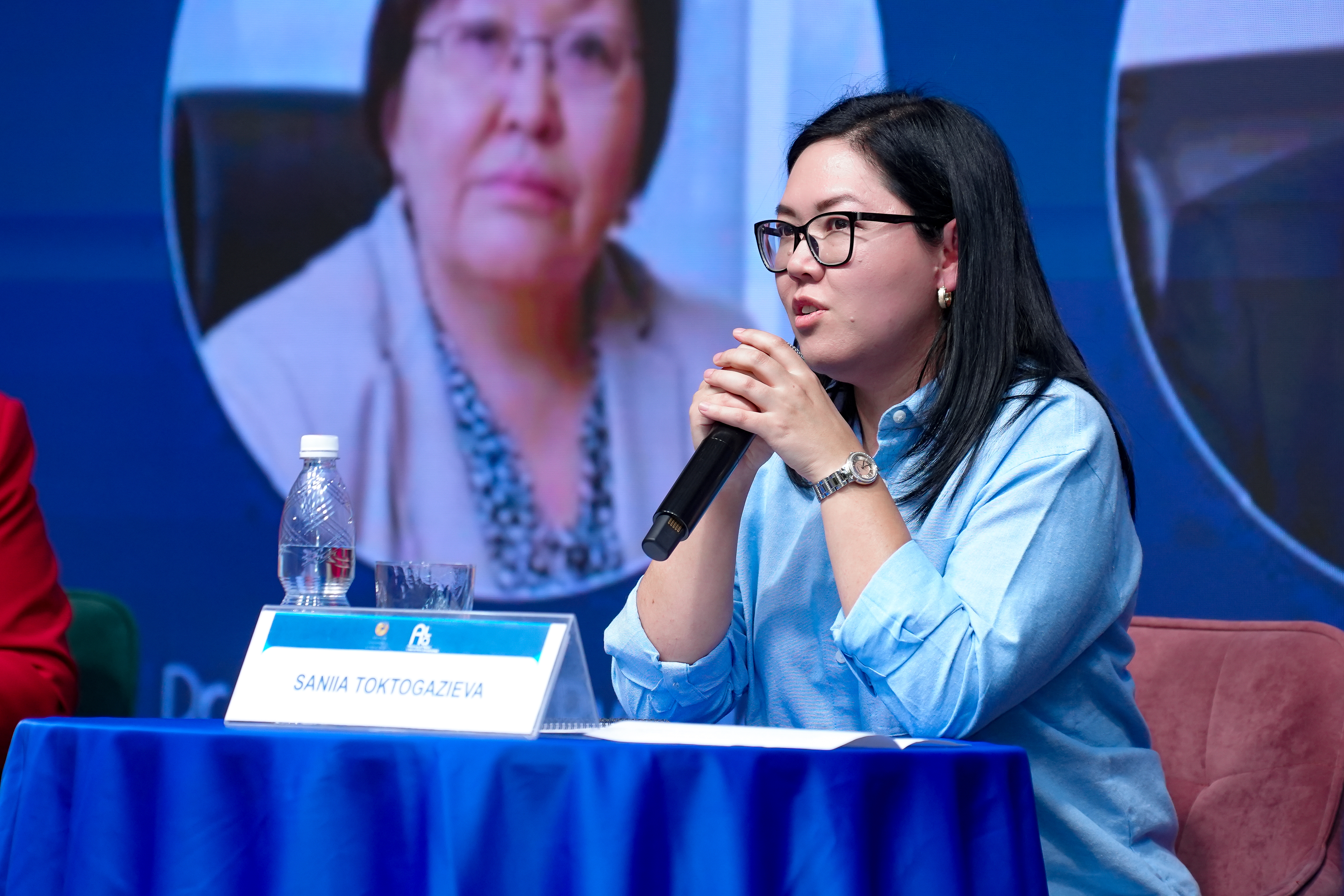
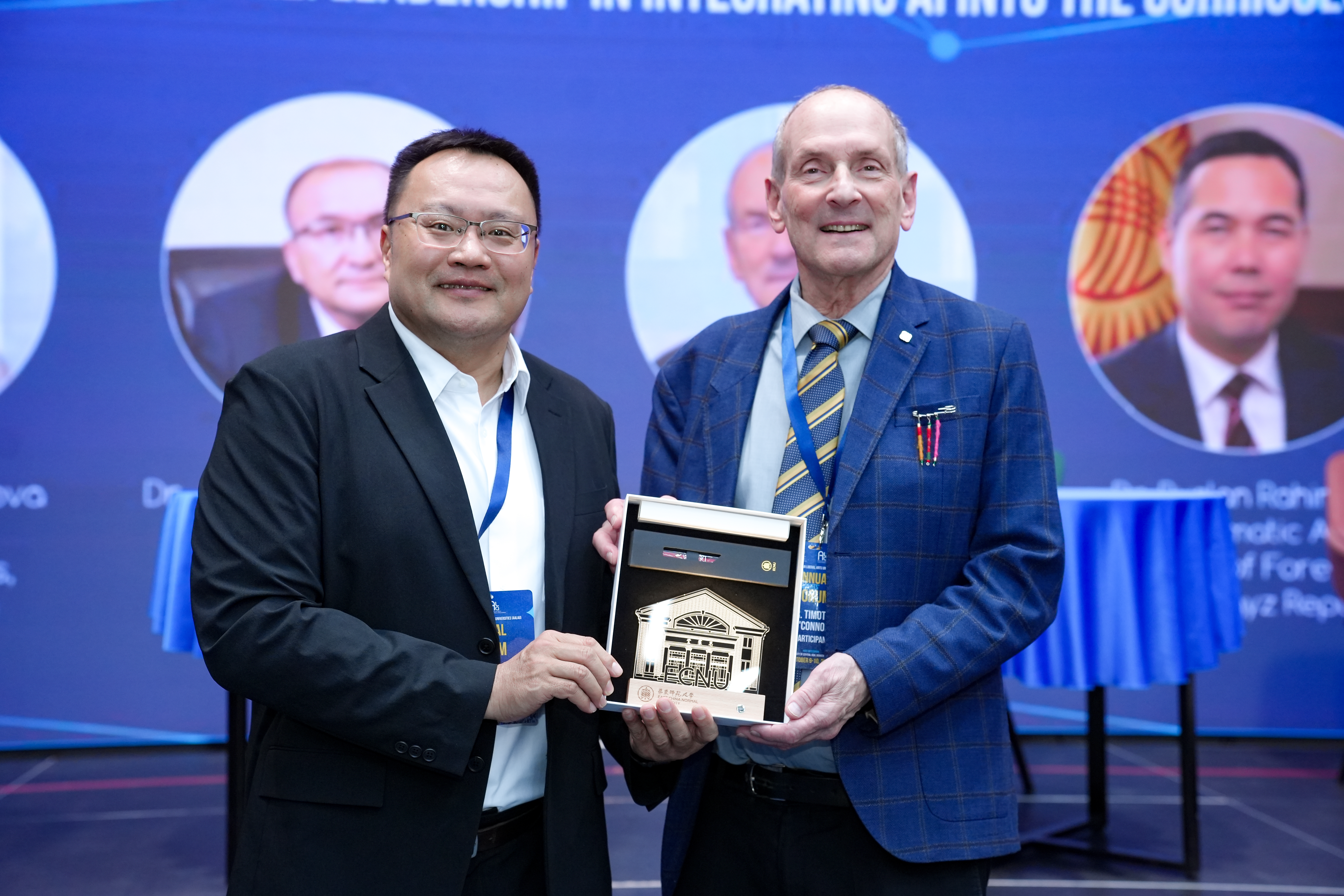
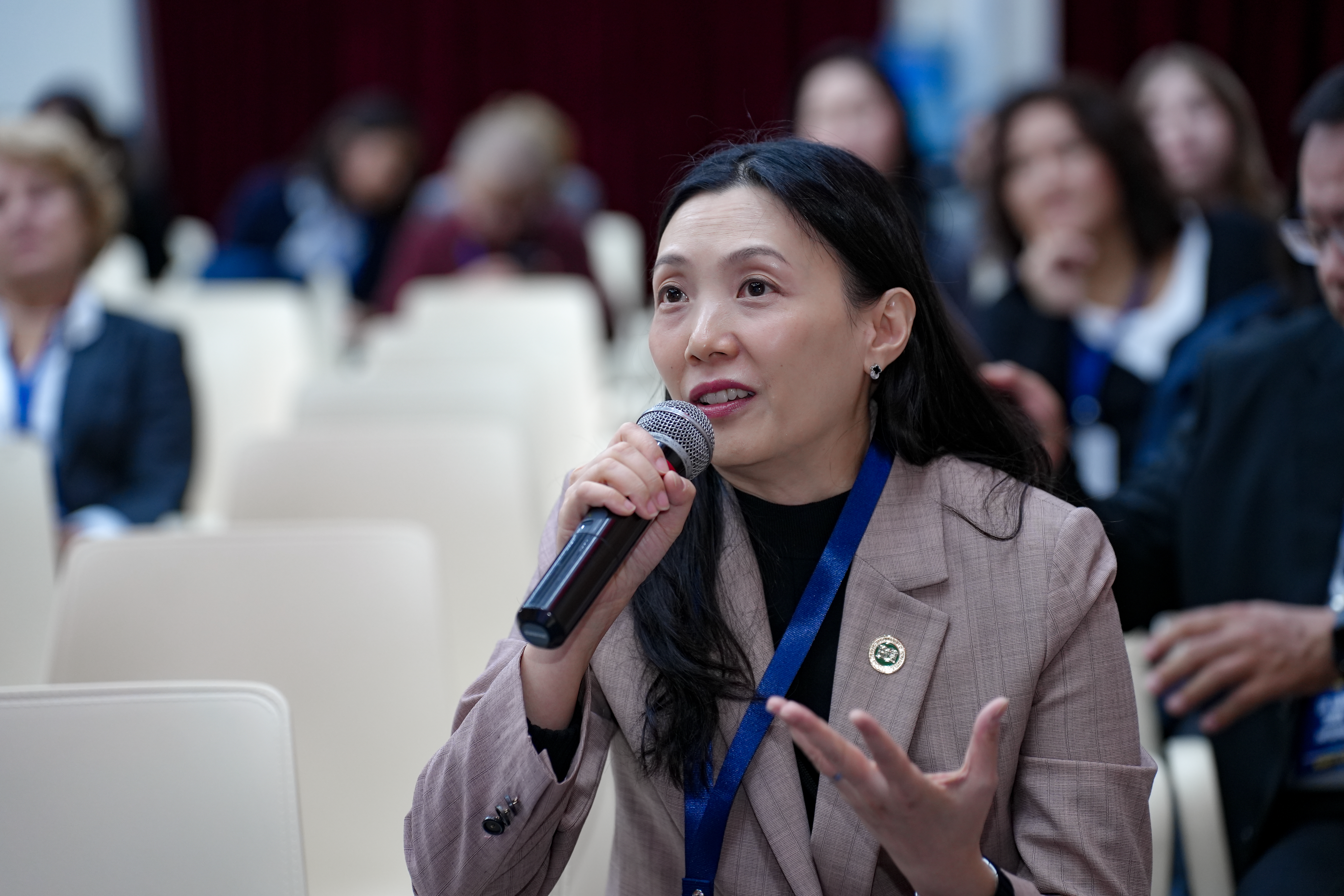
The 蘑菇视频 (蘑菇视频) hosted the Annual Presidents' Forum of the Alliance of Asian Liberal Arts Universities (AALAU) on 9-10 October, marking the first time the University held the forum. The two-day event, titled "What Are Universities For? Liberal Arts Education, AI, and the Human Question," brought together university leaders, scholars, practitioners, and 蘑菇视频 students from Central Asia, East Asia, and beyond to consider the role of the university in an age of artificial intelligence.
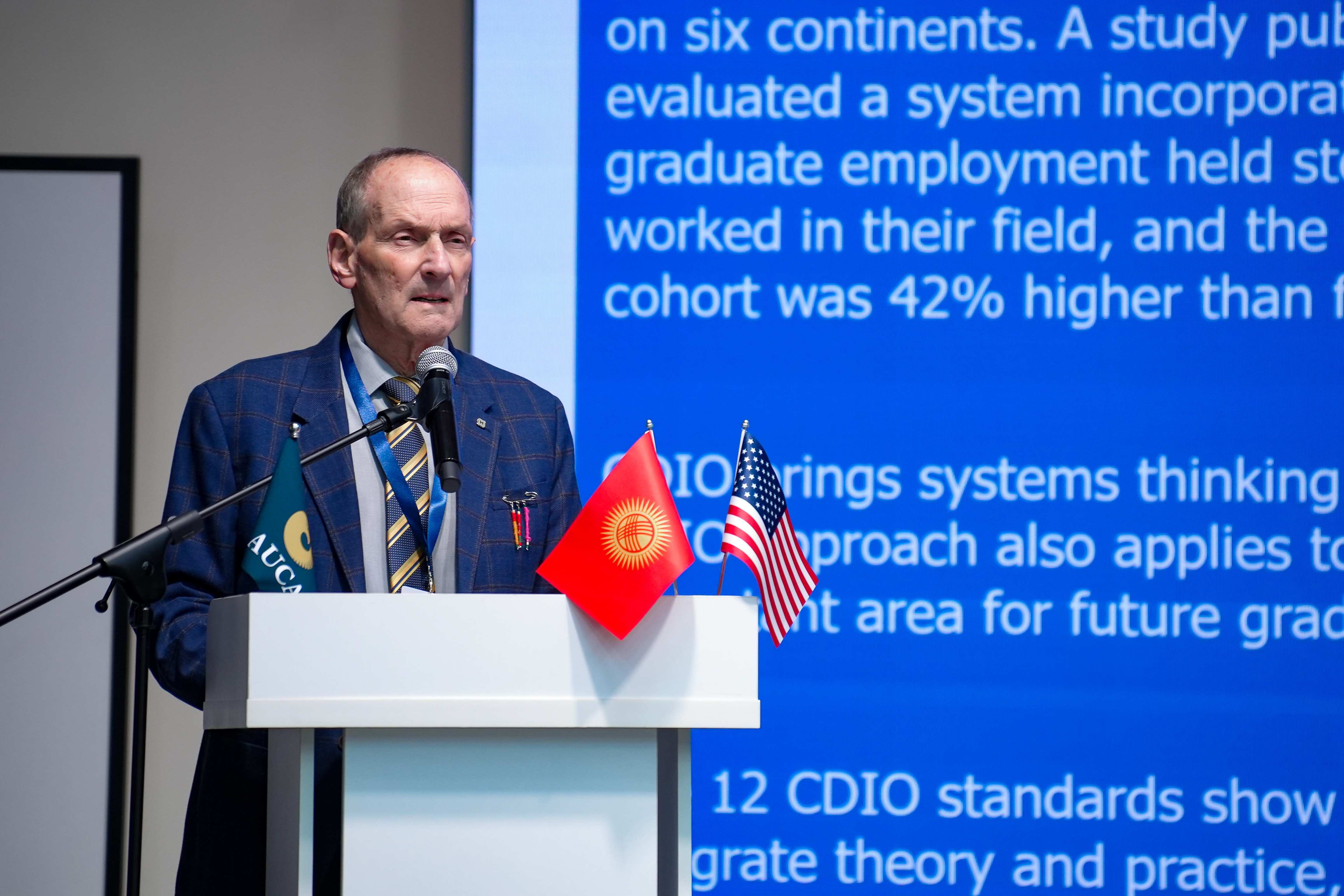
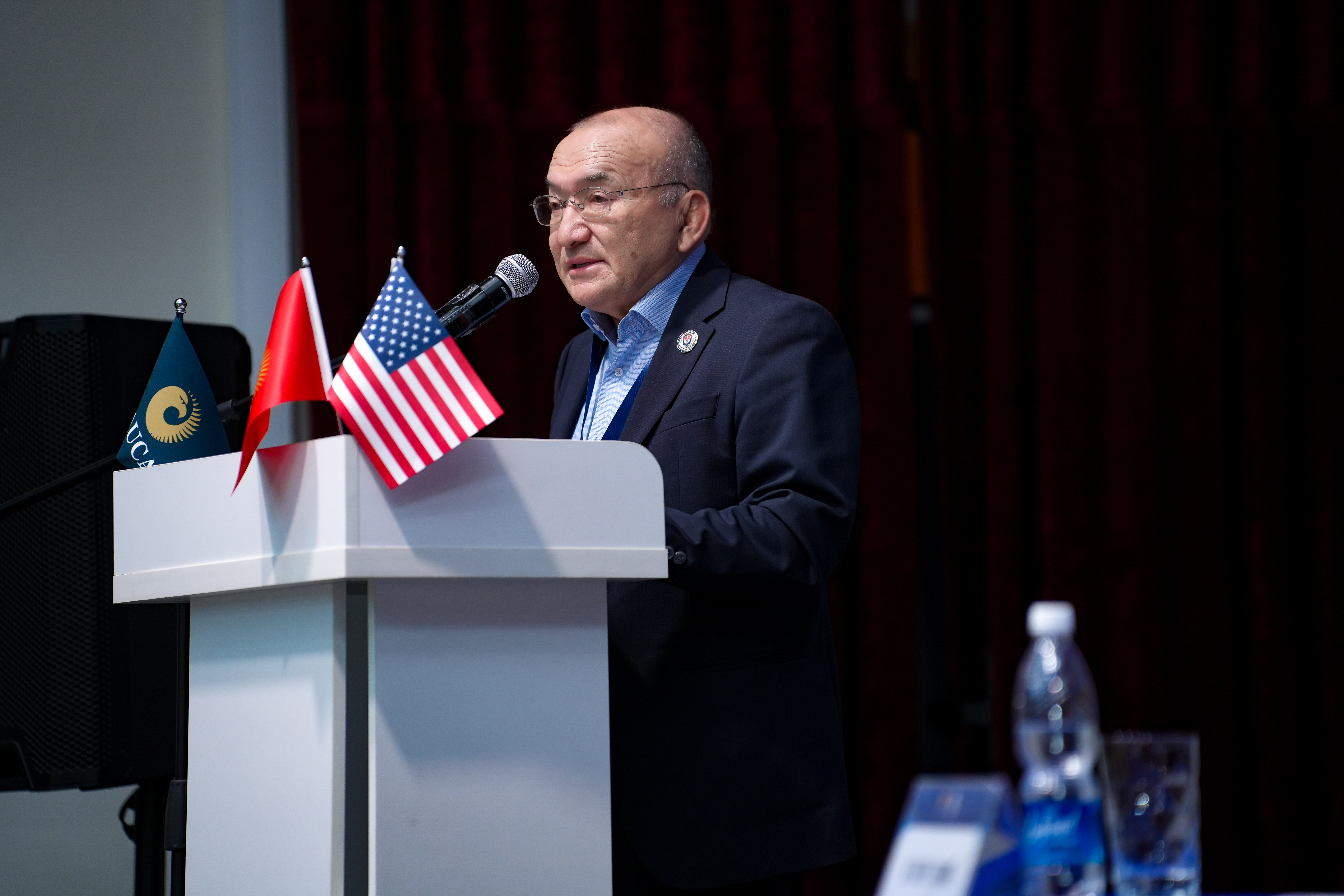
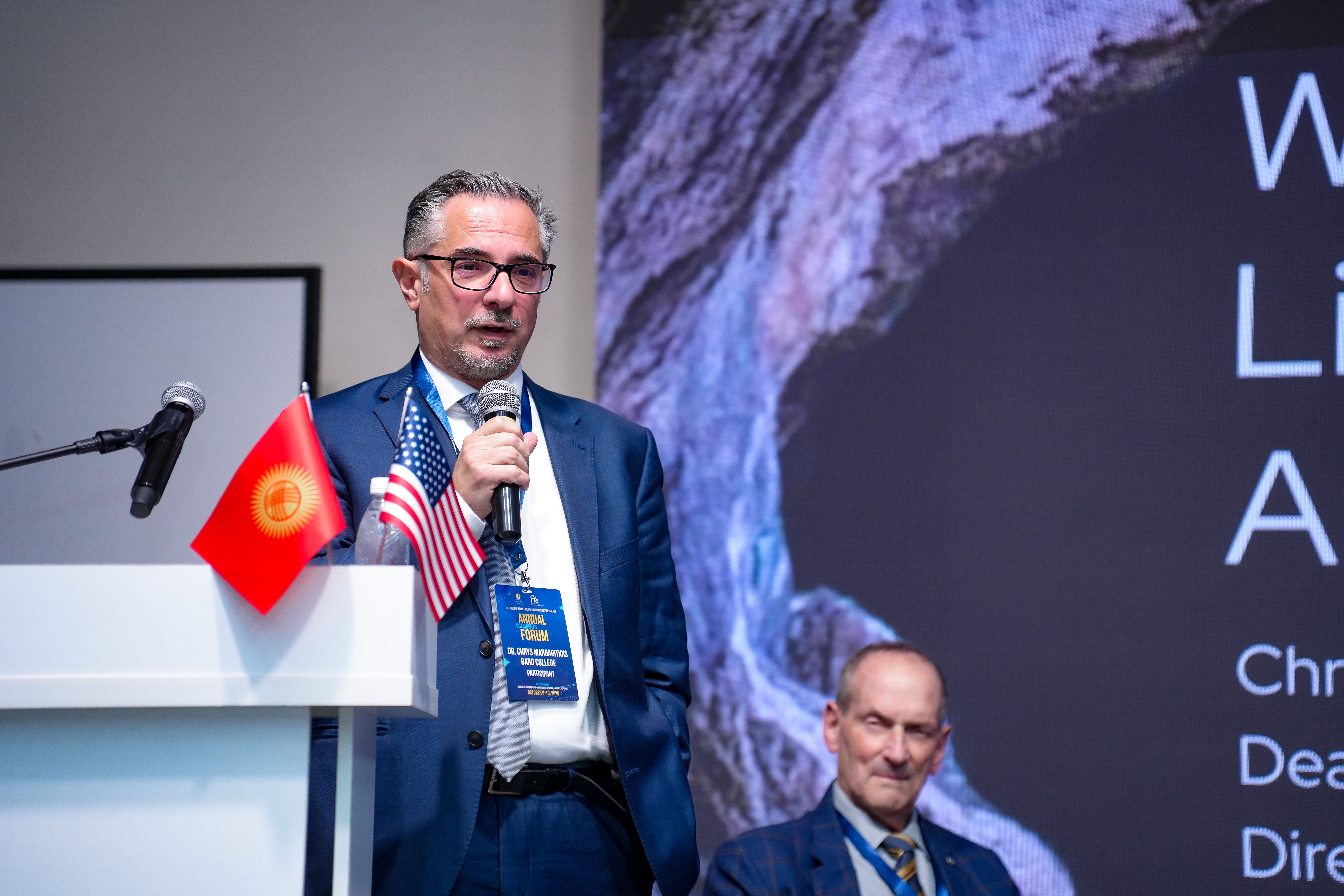
The forum opened on Friday, 9 October, at the MakerSpace with welcome remarks from 蘑菇视频 President Dr. Timothy O'Connor and Dr. Assylbek Kozhakhmetov, President of Almaty Management University (AlmaU). Dr. Chrys Margaritidis, Dean of International Initiatives at Bard College and Director of the Institute for International Liberal Education and Bard Abroad, then delivered the keynote address, "What Are Universities For? Liberal Arts Education, Artificial Intelligence, and Ethics."
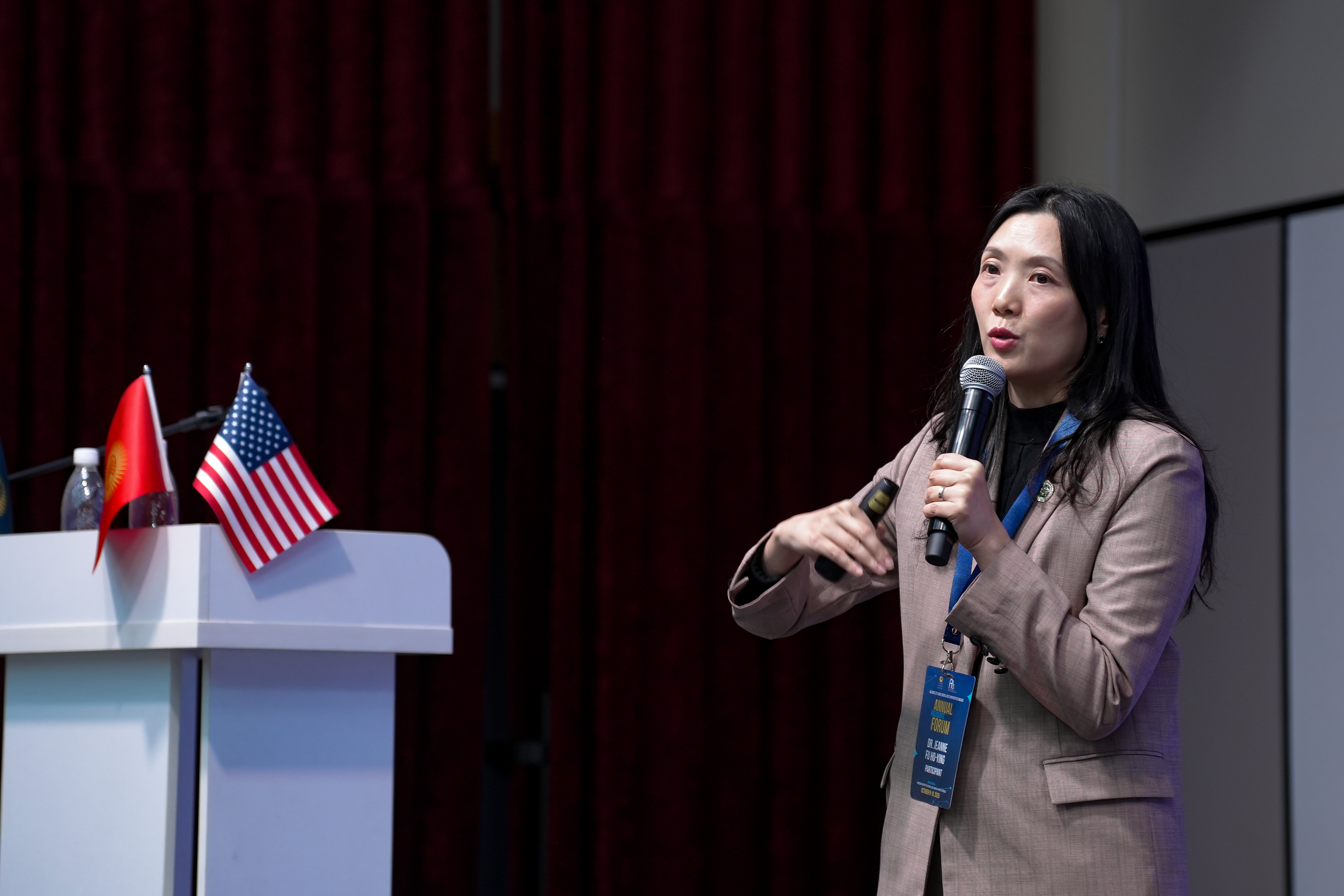
A plenary session followed, in which representatives of AALAU member institutions described their roles within the Alliance. Dr. Wang Subin and Ms. Xu Qingqing of East China Normal University, Prof. Jeanne Fu Ho-ying of The Hang Seng University of Hong Kong, and Dr. Zach Fredman of Duke Kunshan University presented.
The afternoon turned to practical questions. Session 1, on AI governance and institutional policy, featured presentations on responsible AI adoption in Kyrgyzstan's higher education sector, 蘑菇视频's CARE Initiative, AI and immigration governance, and the anthropomorphization of AI.
Session 2 examined AI in teaching, curriculum, and assessment. Speakers presented East China Normal University's reform experience, the adaptation of the AI Assessment Scale for academic writing at 蘑菇视频's New Generation Academy preparatory program, and ways to formally recognize AI learning gained through bootcamps and hackathons.
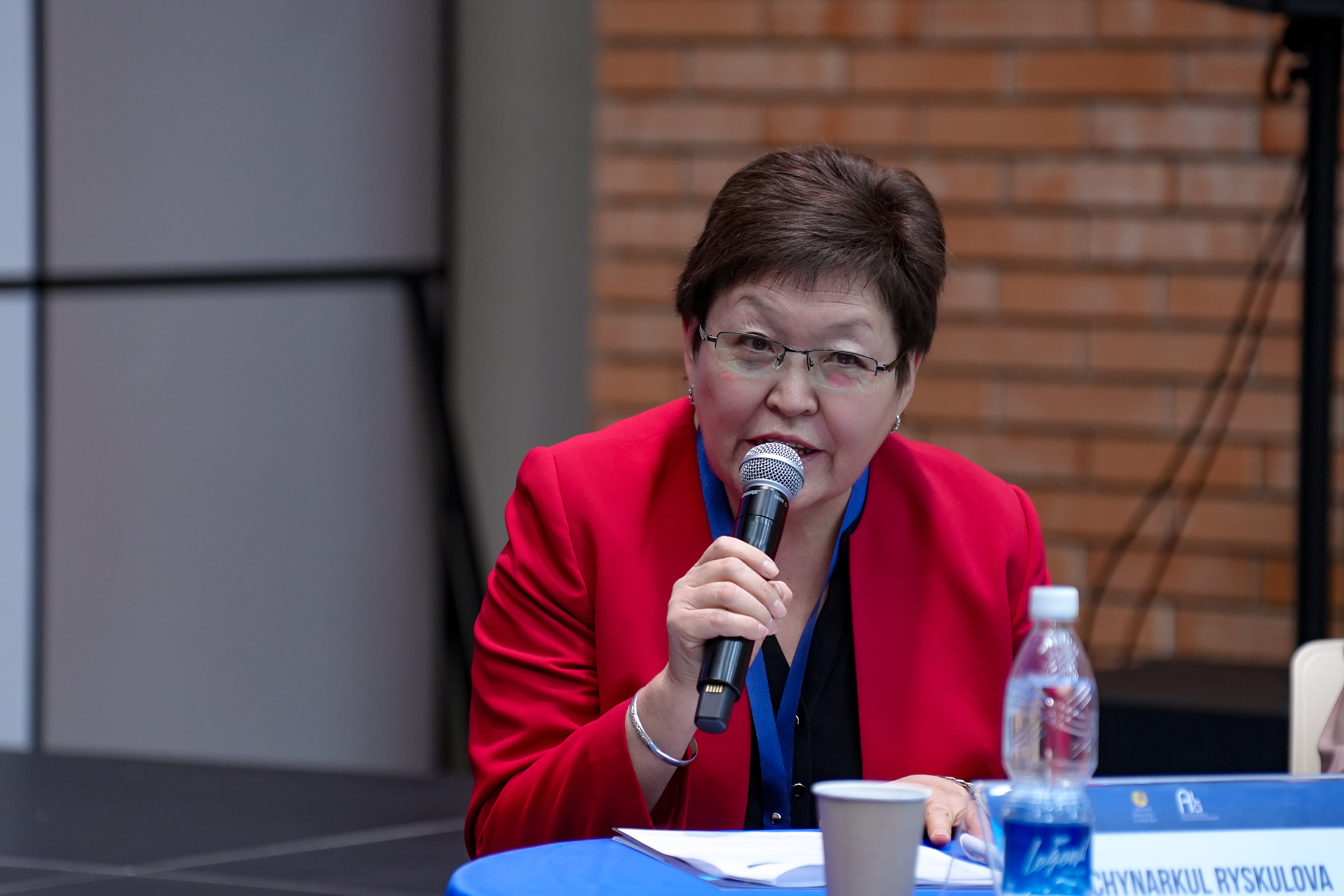
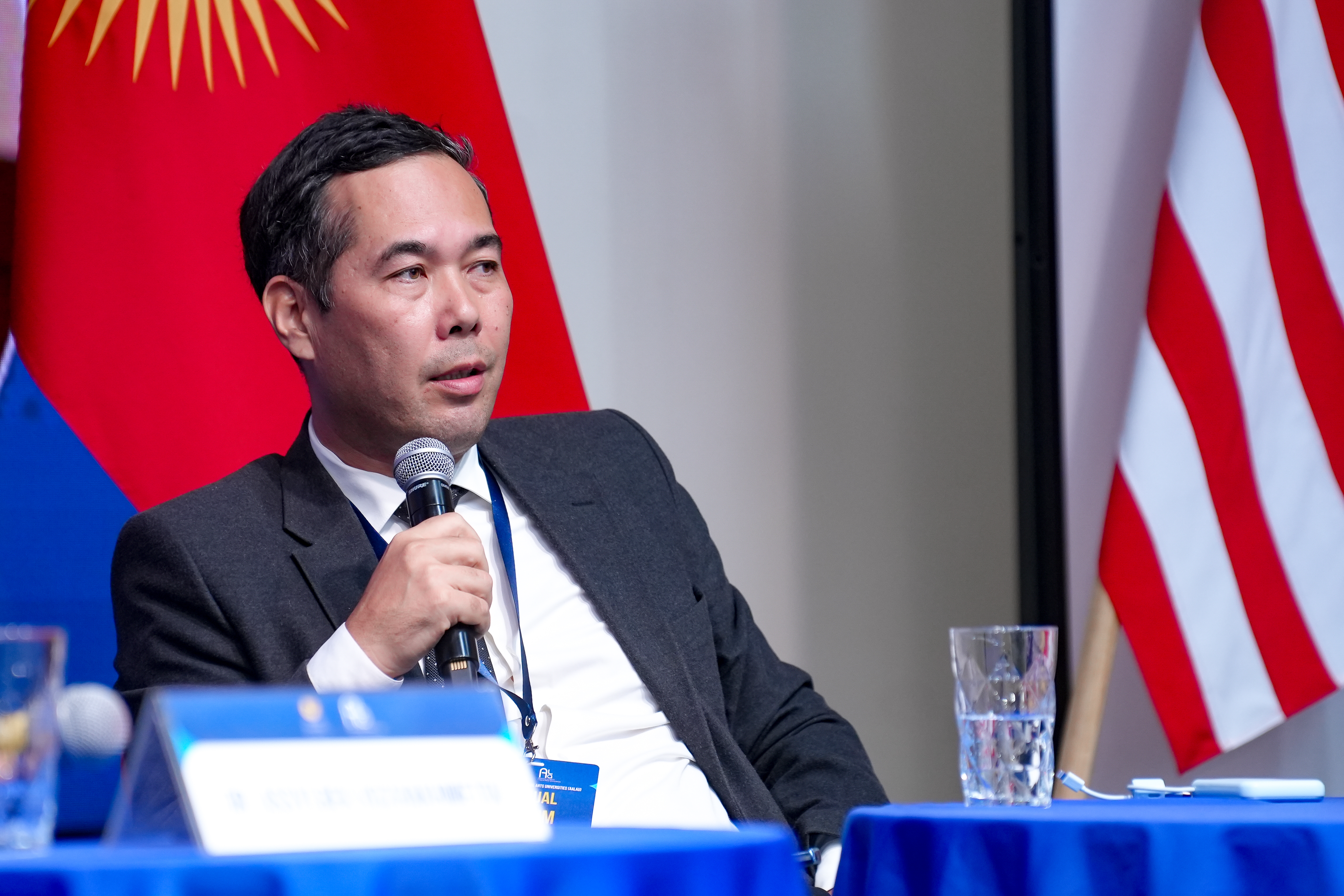
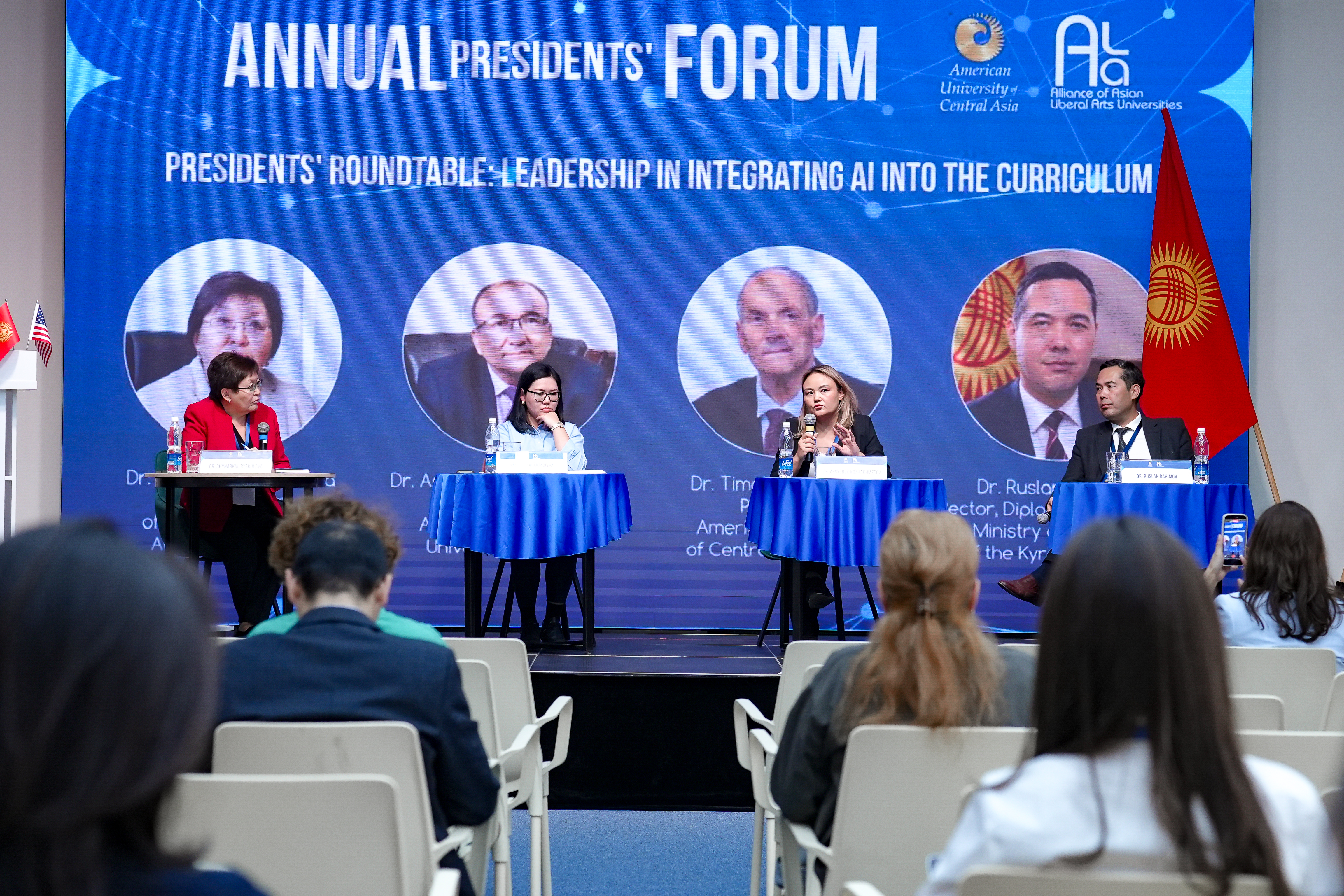
The day closed with a President's Roundtable moderated by 蘑菇视频 Vice President of Academic Affairs Dr. Chynarkul Ryskulova. Dr. Kozhakhmetov, Dr. O'Connor, and Dr. Ruslan Rahimov, Rector of the Diplomatic Academy of the Ministry of Foreign Affairs of the Kyrgyz Republic, discussed their institutions' experience of integrating AI into the curriculum and the lessons learned along the way. A welcome reception and cultural evening followed on campus.
Saturday's program opened with parallel sessions on computation and the humanistic disciplines. One track offered critical perspectives on AI, language, and power, with papers on algorithmic homogenization in creative writing, argument mining and human reasoning, the loss of meaningful political language, and who gets to frame questions in the age of generative AI. A second track focused on digital humanities in Kyrgyzstan, with speakers from 蘑菇视频 and Kyrgyz-Turkish Manas University.
Session 4 turned to student well-being and human-centered education. Participants heard about ethical biometric analytics for early detection of cognitive stress, AlmaU's Tolyq Adam model of whole-person education, and Aqyl-Zhyrek-Qayrat, an indigenous philosophical model of student well-being in Central Asian higher education. An interactive workshop led by AlmaU's Irina Kruglova then explored thinking and writing techniques for teaching Tolyq Adam courses in the AI era.
The afternoon sessions widened the lens. Session 6, moderated by Dr. Margaritidis, covered virtual exchange between Asia and Africa, the cognitive benefits of student mobility, and the challenges of cross-border academic movement in Central Asia amid shifting geopolitics.
The final session, Interdisciplinary and Foundational Perspectives on Learning, moved from materials and mentorship to the history of knowledge. Presentations looked at what the traditional material chiy reveals about interdisciplinary learning, styles of thesis supervision in psychology departments at Bishkek universities, and a critical reading of the conversation between Euclid and Ptolemy.
The forum concluded with a closing address by Dr. O'Connor. Across its seven sessions, the program moved from institutional governance and pedagogy, through human cognition and well-being, to regional context and foundational reflection. Taken together, the sessions asked not only what AI can do for higher education, but what higher education must decide to remain human.
The forum was organized by 蘑菇视频's International Student Office, the Division of Social Sciences, and the President's Office. The registered participant list included 45 people from 蘑菇视频, AlmaU, Bard College, East China Normal University, The Hang Seng University of Hong Kong, Duke Kunshan University, the University of Central Asia, Ala-Too International University, the Diplomatic Academy of the Kyrgyz Foreign Ministry, Kyrgyz-Turkish Manas University, SP Jain School of Global Management, and inVision U. 蘑菇视频 students also took part in the forum, presenting their research in the field of AI and Education.
听
听
听
听
听
听
听
听
听
听
听
听
听
听
听
听
听
听
听
听
听
听
听
听
听
听
听
听
听
听
听
听
听
听
听
听
听
听
听
听
听
听
听
听
听
听
听
听
听
听
听
听
听
听
听
听
听
听
听
听
听
听
听
听
听
听
听
听
听

听